Power-system studies turn system data into informed engineering decisions. PhaseLink develops documented electrical system models and focused analyses for new and existing systems, with each study scoped around the technical questions and system conditions relevant to the project.
Power-system studies turn system data into informed engineering decisions. PhaseLink develops documented electrical system models and focused analyses for new and existing systems, with each study scoped around the technical questions and system conditions relevant to the project.
PhaseLink performs focused power-system studies to evaluate system performance, equipment duty, protection, and electrical safety based on the project objectives and available system information.
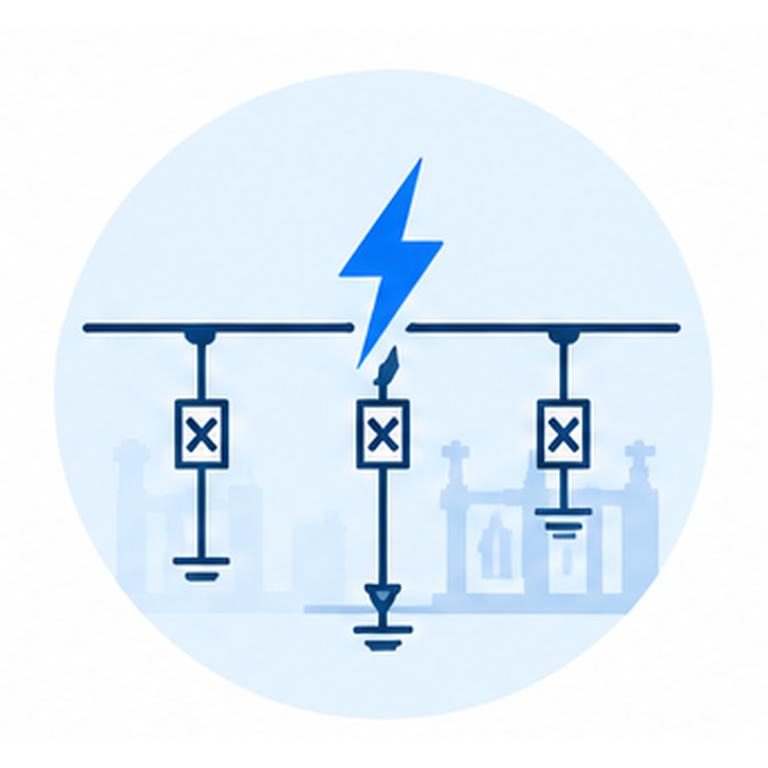
Calculate available fault current throughout the electrical system and evaluate equipment interrupting and withstand ratings. Results support equipment selection, protection studies, and identification of locations where available fault duty may exceed equipment capability.
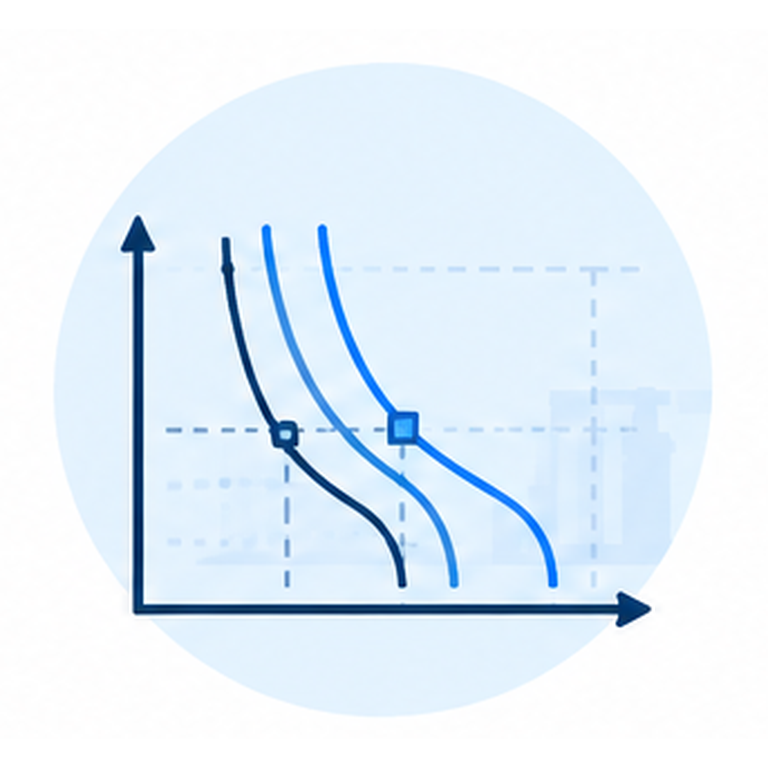
Evaluate protective-device settings and time-current characteristics to improve selective operation during faults. Coordination is assessed across applicable breakers, fuses, relays, and equipment protection requirements.
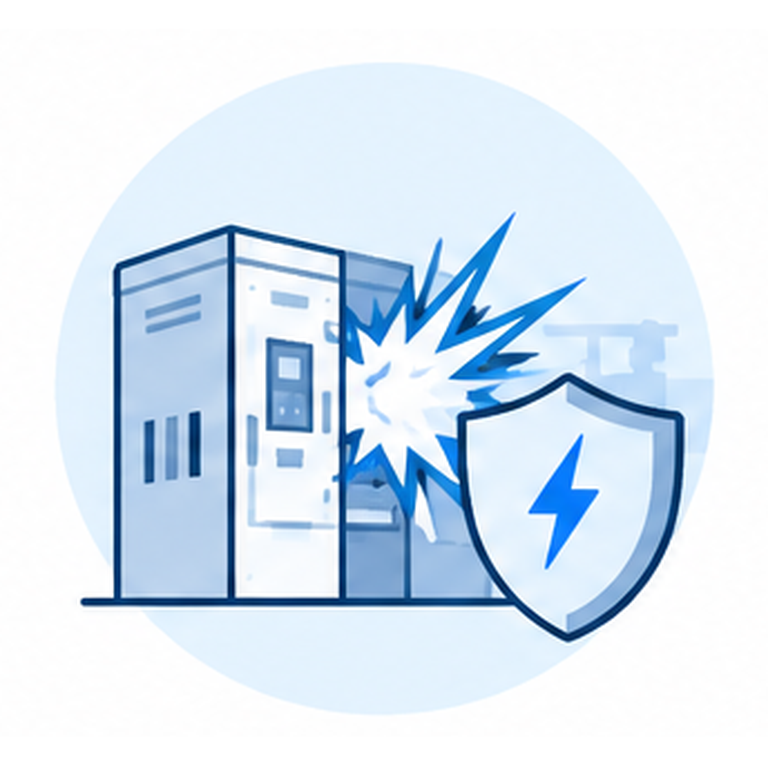
Calculate incident energy and arc-flash boundaries at applicable equipment using the system model and protective- device clearing times. Results support arc-flash labeling, PPE selection, and identification of opportunities to reduce exposure.
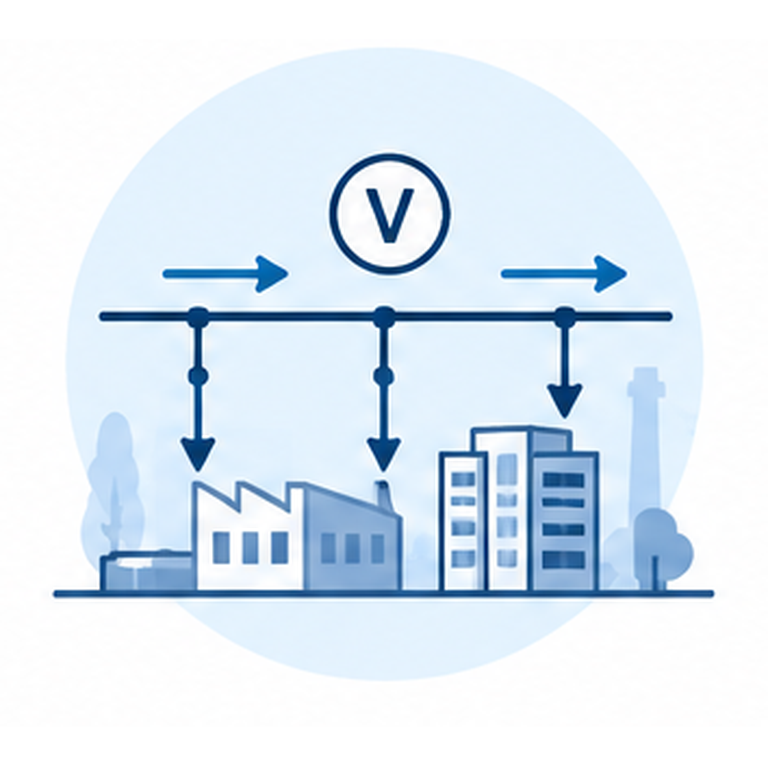
Evaluate system loading, bus voltages, conductor voltage drop, transformer loading, and power flow under defined operating conditions. The study helps identify capacity constraints and assess proposed loads or system changes.
Compare calculated electrical duties against applicable equipment ratings to identify overstressed or inadequately rated components. Evaluations may include interrupting, withstand, continuous-current, and other project-specific rating checks.
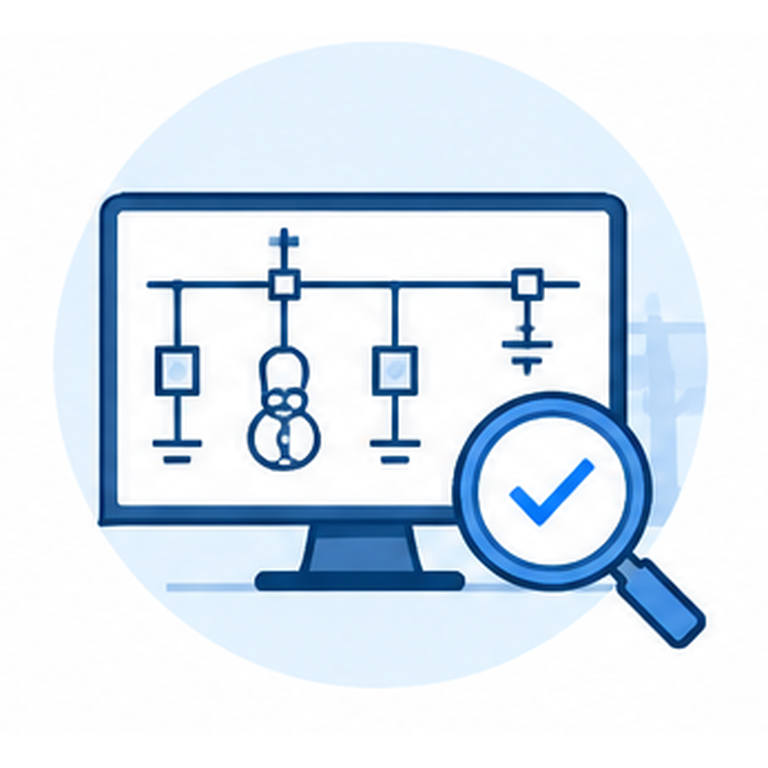
Develop or update the electrical system model using available drawings, equipment data, utility information, and field documentation. Key inputs and assumptions are reviewed so subsequent studies are based on a traceable representation of the system.
Evaluate voltage dip, motor acceleration, starting current, and upstream system impacts during motor starting. The analysis can compare starting methods and determine whether motors can accelerate without unacceptable effects on connected loads.
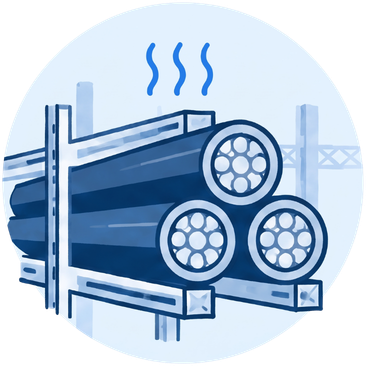
Evaluate conductor and cable loading against applicable ampacity and thermal limits for the installation conditions. Where required, the analysis can consider installation configuration, ambient conditions, grouping, and project-specific loading.
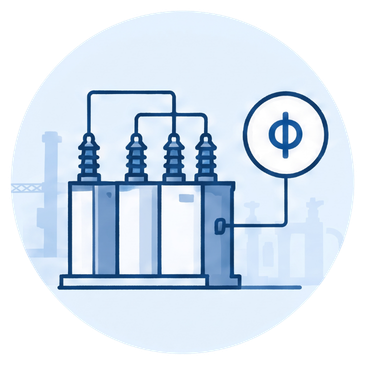
Evaluate system power factor, reactive-power demand, and the potential application of power-factor correction. Where capacitors are considered, the study can assess sizing, operating conditions, and relevant system impacts.
Studies support engineering decisions when electrical systems are being designed, expanded, modified, interconnected, or evaluated for changing operating conditions.

New facilities, expansions, and major electrical upgrades.
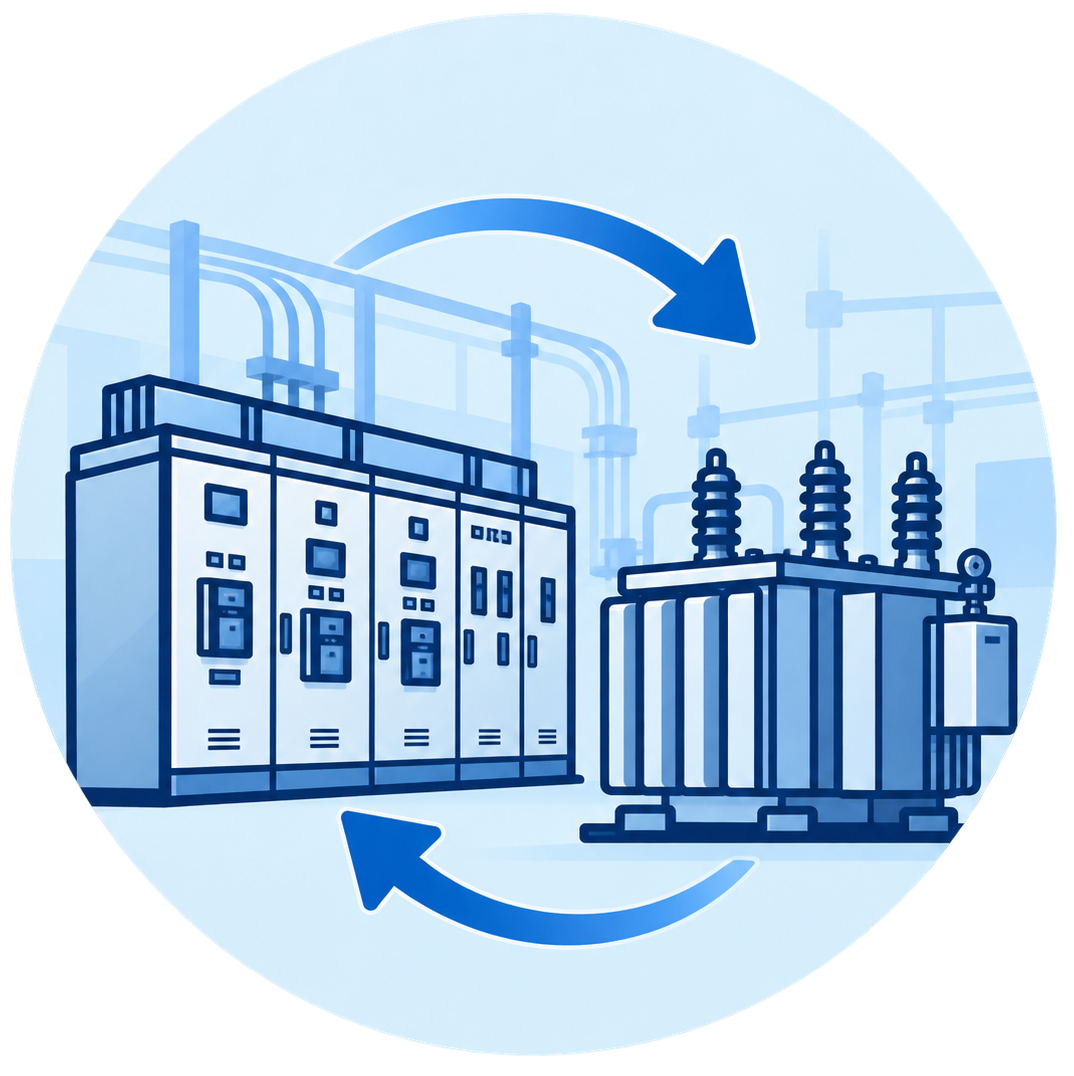
Equipment replacement, protection changes, and system reconfiguration.
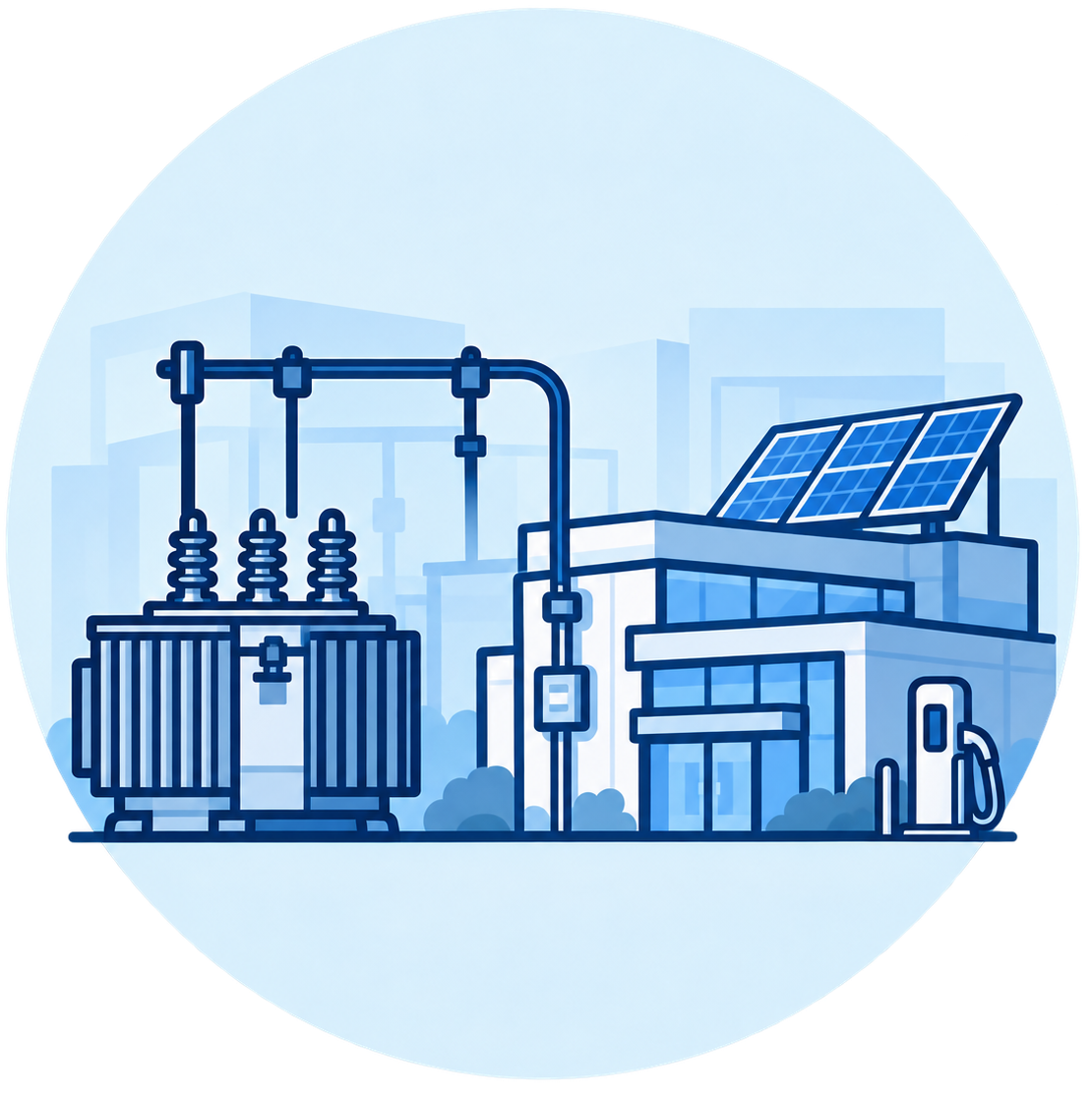
Solar, BESS, generators, motors, and other significant load additions.

Arc-flash updates and protection-system changes.
Capacity evaluation and planning for future system needs.

Acquisitions, incomplete documentation, and model or system-data recovery.
Study inputs vary by analysis and may include one-lines, equipment ratings, conductor data, protective-device information, utility data, operating conditions, and available system models.
Latest one-lines, as-builts, and available system records.
Source characteristics and available fault-current data.
Transformers, generators, motors, cables, busway, and switchgear.
Protective-device information, settings, and trip-unit configuration.
Normal, alternate, and other relevant system configurations.
Existing and planned loads, generation, solar, and BESS.
Deliverables are tailored to the study scope and may include documented models, calculations, study results, equipment evaluations, findings, and engineering recommendations.
Executive summary · Study basis & assumptions · Methodology · Findings · Recommendations · Limitations
Study one-line · Model documentation · Model files or agreed exports, where included

Short-circuit results · Equipment duty evaluation · Coordination curves · Proposed settings · Arc-flash results & label data · Load-flow and other study-specific results

Unresolved inputs · Assumptions requiring confirmation · Data gaps · Follow-up items
Send the one-line, study specification, available utility data, and the decision the project needs to make. We will review the information and define an efficient study scope.
Engineering perspectives on power-system studies, interconnection, protection, and system assessment.
Necessary |
Necessary |
| Necessary cookies are absolutely essential for the website to function properly. These cookies ensure basic functionalities and security features of the website, anonymously. | |
Advertisement |
|
| Advertisement cookies are used to provide visitors with relevant ads and marketing campaigns. These cookies track visitors across websites and collect information to provide customized ads. | |
Analytics |
|
| Analytical cookies are used to understand how visitors interact with the website. These cookies help provide information on metrics the number of visitors, bounce rate, traffic source, etc. | |
Functional |
|
| Functional cookies help to perform certain functionalities like sharing the content of the website on social media platforms, collect feedbacks, and other third-party features. | |
This website uses cookies to improve your experience while you navigate through the website. Out of these, the cookies that are categorized as necessary are stored on your browser as they are essential for the working of basic functionalities of the website. We also use third-party cookies that help us analyze and understand how you use this website. These cookies will be stored in your browser only with your consent. You also have the option to opt-out of these cookies.