PhaseLink Engineering provides focused support for power-system studies, utility interconnection, system assessment, and protection engineering for distribution systems and customer-owned electrical networks across California.




























Engineering methods, software, and applicable standards are selected to fit the system, study objective, client requirements, and available data. Codes, utility requirements, manufacturer information, and project criteria are applied within the context of each assignment.
The result is a clear and traceable technical basis—what was modeled, what was assumed, what was evaluated, what the results mean, and what still requires confirmation.
PhaseLink offers four complementary service areas supporting distribution systems and customer-owned electrical networks—from system assessment and studies through interconnection and protection. We help define the technical questions, required analysis, project information, and deliverables needed to support informed engineering decisions.
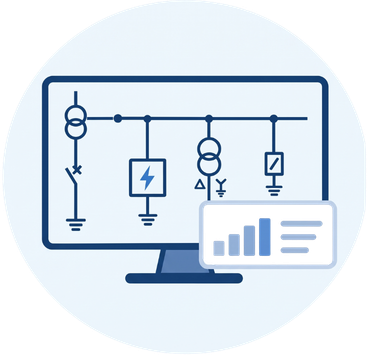
Evaluate fault duty, coordination, incident energy, loading, voltage, motor starting, and related system performance using a documented model and project-specific scenarios.
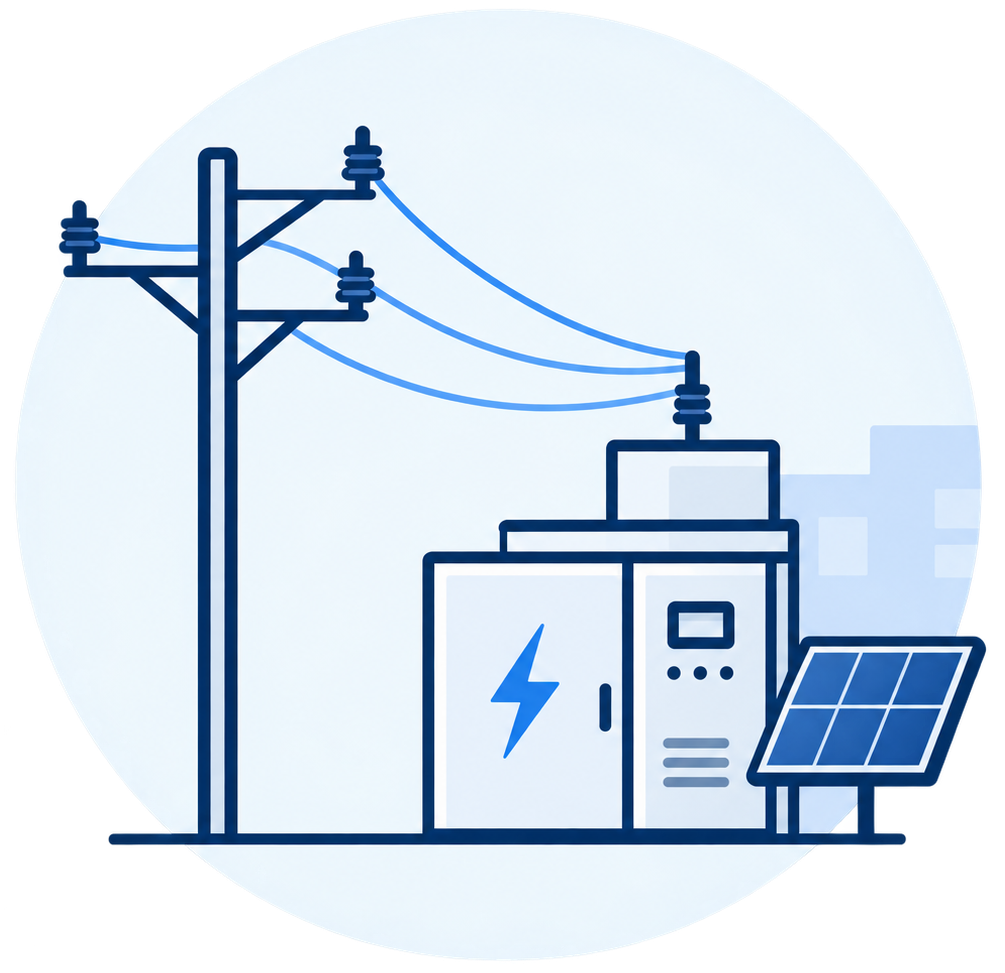
Prepare and coordinate applicant-side technical information for new service, service upgrades, generation, solar, and battery projects connecting to utility distribution systems.
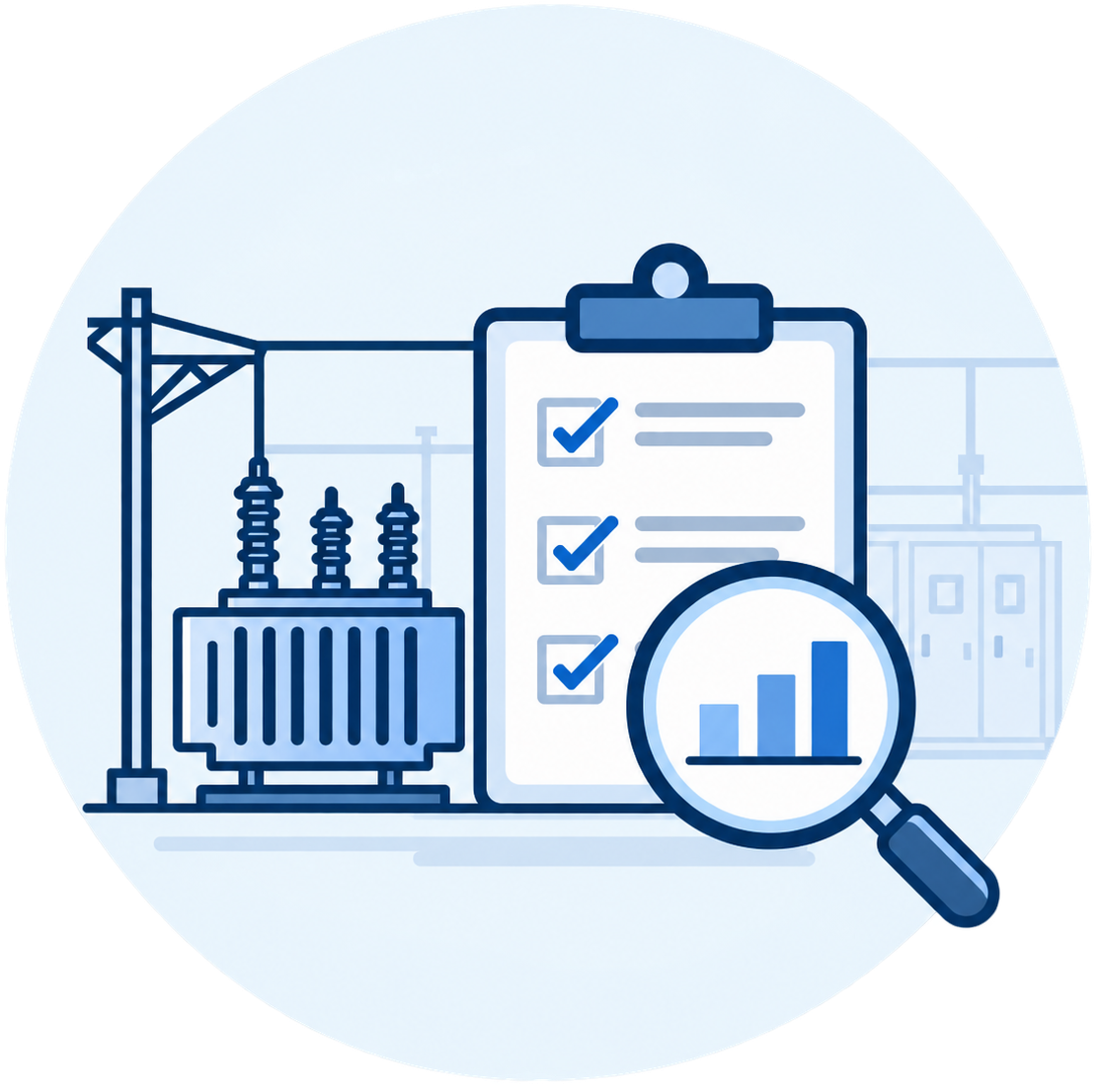
Establish an existing-system baseline, identify constraints, and compare practical paths for expansion, modernization, or corrective work.
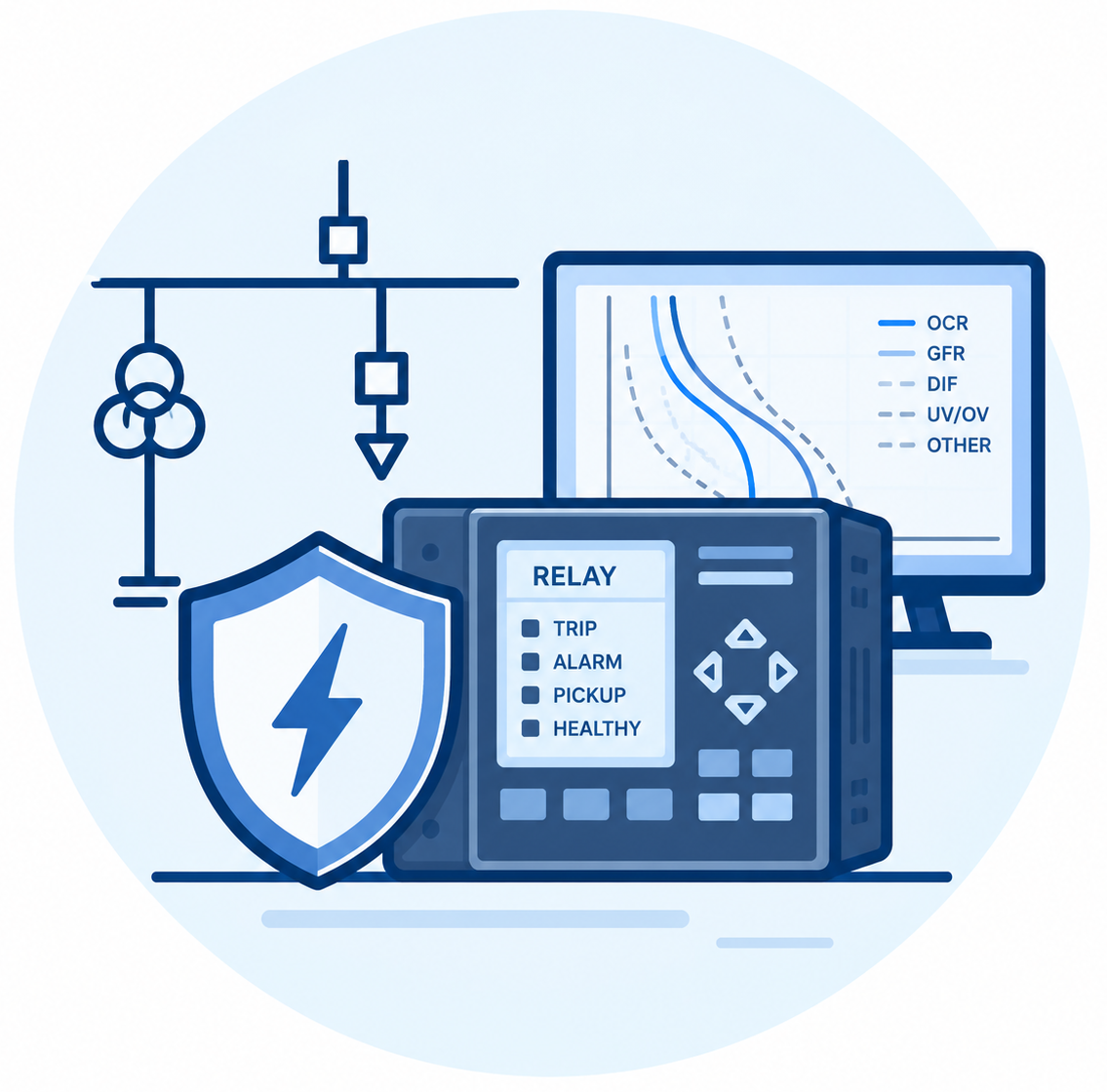
Develop or review protection philosophies, relay settings, coordination, instrumenttransformer inputs, and controlled implementation packages.
PhaseLink works with technical and project teams responsible for utility infrastructure, public facilities, renewable energy and storage, industrial and commercial systems, water and wastewater facilities, EV and fleet electrification, data centers, and other critical electrical loads.
Support distribution and customer power systems through system studies, assessments, protection engineering, service upgrades, and utility infrastructure improvements.
Provide focused power-system engineering for projects requiring studies, utility coordination, interconnection support, system assessment, and protection expertise.
Support multidisciplinary design teams with specialized power-system studies, system modeling, equipment evaluation, protection coordination, and utility interface requirements.
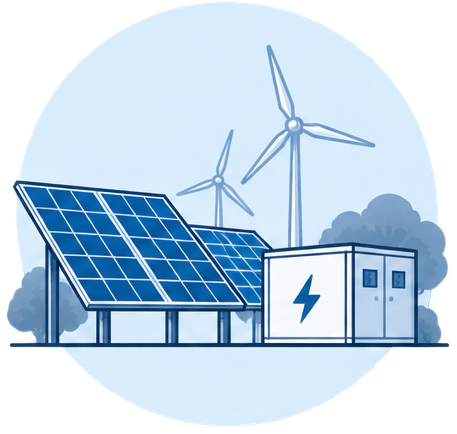
Support solar, battery energy storage, and distributed-energy projects with interconnection, system studies, protection, and distribution-system engineering.
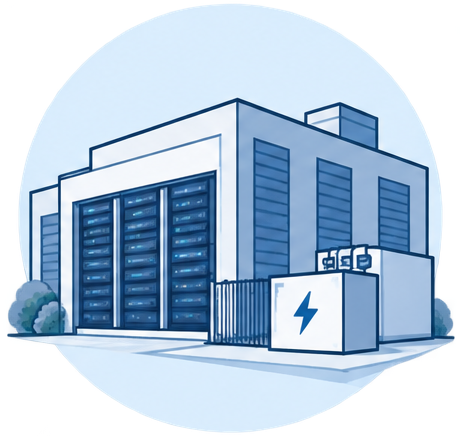
Support reliability-sensitive electrical systems where capacity, protection, redundancy, and system performance require careful evaluation and coordination.

Evaluate facility electrical systems for new loads, expansions, equipment additions, service upgrades, reliability improvements, and system modifications.
Power-system work requires more than completing an analysis. It requires understanding the system, the project constraints, the stakeholders, and how technical decisions move from study through implementation.
Direct involvement from the engineer responsible for the work from scope definition and technical analysis through deliverable review.
Experience working within utility and municipal environments helps anticipate technical requirements, coordination needs, review processes, and project interfaces.
A focused practice centered on power-system studies, utility interconnection, system assessment, and protection engineering.
Inputs, assumptions, methods, findings, limitations, and recommendations are documented so the technical basis can be understood and reviewed.
Analysis considers design, operations, constructability, field conditions, and project constraints so recommendations remain grounded in implementation.
A streamlined structure keeps communication close to the technical work and enables efficient coordination with owners, utilities, EPCs, contractors, and engineering teams.
Power-system work requires more than completing an analysis. It requires understanding the system, the project constraints, the stakeholders, and how technical decisions move from study through implementation.
Direct involvement from the engineer responsible for the work—from scope definition and technical analysis through deliverable review.
Experience working within utility and municipal environments helps anticipate technical requirements, coordination needs, review processes, and project interfaces.
A focused practice centered on power-system studies, utility interconnection, system assessment, and protection engineering.
Inputs, assumptions, methods, findings, limitations, and recommendations are documented so the technical basis can be understood and reviewed.
Analysis considers design, operations, constructability, field conditions, and project constraints so recommendations remain grounded in implementation.
A streamlined structure keeps communication close to the technical work and enables efficient coordination with owners, utilities, EPCs, contractors, and engineering teams.
Power-system work requires more than completing an analysis. It requires understanding the system, the project constraints, the stakeholders, and how technical decisions move from study through implementation.
Direct involvement from the engineer responsible for the work—from scope definition and technical analysis through deliverable review.
Experience working within utility and municipal environments helps anticipate technical requirements, coordination needs, review processes, and project interfaces.
A focused practice centered on power-system studies, utility interconnection, system assessment, and protection engineering.
Inputs, assumptions, methods, findings, limitations, and recommendations are documented so the technical basis can be understood and reviewed.
Analysis considers design, operations, constructability, field conditions, and project constraints so recommendations remain grounded in implementation.
A streamlined structure keeps communication close to the technical work and enables efficient coordination with owners, utilities, EPCs, contractors, and engineering teams.
Share the project objective and the information you have. PhaseLink can help identify the appropriate engineering scope and next step—without requiring you to arrive with a predefined study or complete a lengthy technical questionnaire.
Send the project objective, available one-line, utility information or existing system data. We will review what you provide and identify the next useful engineering step.
Engineering perspectives on power-system studies, interconnection, protection, and system assessment.
Necessary |
Necessary |
| Necessary cookies are absolutely essential for the website to function properly. These cookies ensure basic functionalities and security features of the website, anonymously. | |
Advertisement |
|
| Advertisement cookies are used to provide visitors with relevant ads and marketing campaigns. These cookies track visitors across websites and collect information to provide customized ads. | |
Analytics |
|
| Analytical cookies are used to understand how visitors interact with the website. These cookies help provide information on metrics the number of visitors, bounce rate, traffic source, etc. | |
Functional |
|
| Functional cookies help to perform certain functionalities like sharing the content of the website on social media platforms, collect feedbacks, and other third-party features. | |
This website uses cookies to improve your experience while you navigate through the website. Out of these, the cookies that are categorized as necessary are stored on your browser as they are essential for the working of basic functionalities of the website. We also use third-party cookies that help us analyze and understand how you use this website. These cookies will be stored in your browser only with your consent. You also have the option to opt-out of these cookies.