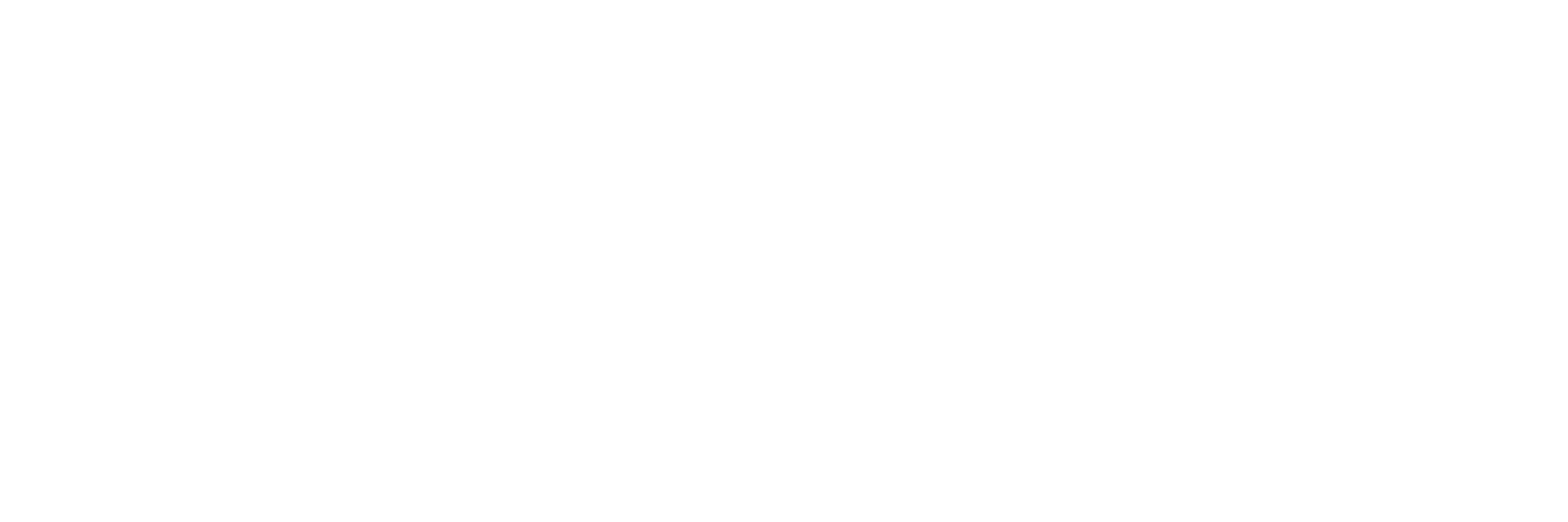
Existing electrical and distribution systems are often evaluated with incomplete records, changing operating conditions, or uncertainty about available capacity. PhaseLink combines document review, targeted system verification, electrical modeling, and focused analysis to establish a reliable technical baseline and support planning, upgrades, system changes, and corrective work.
Find potential safety hazards, equipment weaknesses, and reliability concerns.
Determine if your system can handle today's load and support future growth.
Assess adherence to codes, standards, and utility requirements.
Get clear recommendations for upgrades, improvements, and long-term planning.
PhaseLink evaluates existing electrical systems by combining available documentation, system verification, modeling, and focused analysis to establish a reliable technical basis for decisions.
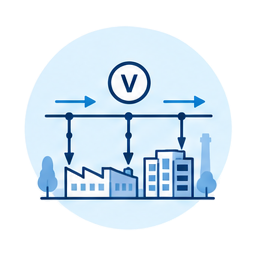
PhaseLink evaluates existing electrical infrastructure and distribution-system performance based on the project
objective, available records, field information, operating conditions, and applicable criteria.
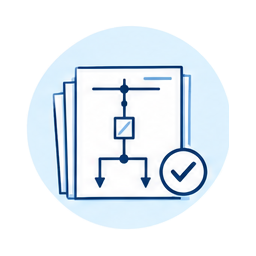
Review drawings, equipment information, prior studies, settings, maintenance records, utility data, and operating information. Reconcile records with field information where scoped, and distinguish verified data, supplied information, engineering assumptions, and items requiring further confirmation.
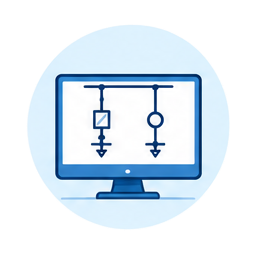
Build, update, or reconcile electrical system models using available and verified information, with assumptions and unresolved data clearly identified.

Evaluate feeder, transformer, conductor, and major-equipment loading, available capacity, and constraints affecting existing or planned load.
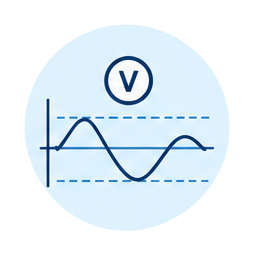
Evaluate voltage, power flow, losses, loading, and system performance under relevant normal, switching, contingency, or future operating conditions.
Evaluate protection relationships and the implications of system or equipment changes, with detailed coordination or settings work performed where included in scope.
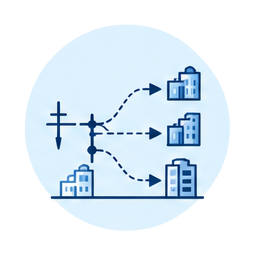
Evaluate load additions, feeder extensions, equipment replacement, transformer changes, reconfiguration, DER integration, and other alternatives considering system performance, operating constraints, outages, phasing, and future needs.

Identify material constraints, data gaps, system concerns, additional study needs, and practical engineering, field, maintenance, or planning actions.
Assessment is useful when systems are being expanded, modified, modernized, or planned around incomplete documentation, uncertain capacity, or changing operational needs.
Before adding significant load, expanding facilities, or connecting new developments.
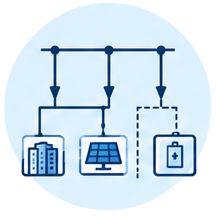
When feeder, transformer, or distribution-system capacity needs to be established for current or future requirements.
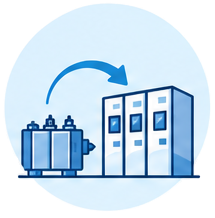
Before equipment replacement, system reconfiguration, rehabilitation, or major electrical upgrades.
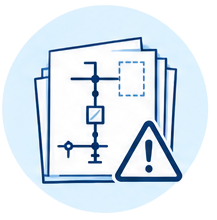
When drawings, models, equipment data, or operating records no longer reliably represent field conditions.
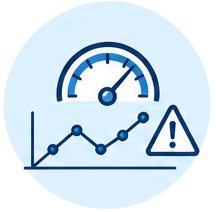
When loading, voltage, recurring trips, protection, or other system-level concerns require structured evaluation.
For utility, municipal, campus, or facility planning and before establishing or substantially updating system models, arc-flash programs, protection programs, or other system-wide engineering efforts.
Available one-lines, equipment records, load information, operating data, previous studies, field documentation, and planned system changes help establish the existing-system baseline.
One-lines, as-builts, GIS/network information, feeder topology, equipment schedules, and available drawings.
Conductors, cables, transformers, switchgear, regulators, capacitors, generators, DER, and available utility/source information.

SCADA, interval demand, load history, estimates or forecasts, normal and alternate configurations, critical loads, known operating issues, and input from operations staff where relevant.
Protective-device data, relay/settings files, and related records where protection is included.
Prior studies, models, test reports, maintenance records, and available equipment documentation.
Planned loads, projects, system changes, operating scenarios, planning criteria, and known system concerns.

Site access, operating restrictions, field contacts, outage constraints, and applicable electrical safety requirements.
Deliverables are tailored to the assessment objective, analyses performed, available information, and agreed project scope.
System basis · Assumptions · Findings · Constraints · Recommendations · Limitations
Updated or marked-up one-line · System model · Equipment and system-data documentation, where included
Loading and capacity results · Voltage profiles · System performance · Equipment evaluation · Scenario comparisons · Protection findings, as applicable
System constraints · Unresolved information · Assumptions requiring confirmation · Field-verification needs · Open technical items
Alternatives and tradeoffs · Recommended upgrades or operating changes · Phasing considerations · Follow-on studies, testing, maintenance, or engineering actions
Share the system information you have, the issue or change being considered, and what you need to understand. PhaseLink can help identify the appropriate verification, analysis, and engineering scope for the next step.
Complete system records are not required for an initial discussion
Engineering perspectives on power-system studies, interconnection, protection, and system assessment.
Necessary |
Necessary |
| Necessary cookies are absolutely essential for the website to function properly. These cookies ensure basic functionalities and security features of the website, anonymously. | |
Advertisement |
|
| Advertisement cookies are used to provide visitors with relevant ads and marketing campaigns. These cookies track visitors across websites and collect information to provide customized ads. | |
Analytics |
|
| Analytical cookies are used to understand how visitors interact with the website. These cookies help provide information on metrics the number of visitors, bounce rate, traffic source, etc. | |
Functional |
|
| Functional cookies help to perform certain functionalities like sharing the content of the website on social media platforms, collect feedbacks, and other third-party features. | |
This website uses cookies to improve your experience while you navigate through the website. Out of these, the cookies that are categorized as necessary are stored on your browser as they are essential for the working of basic functionalities of the website. We also use third-party cookies that help us analyze and understand how you use this website. These cookies will be stored in your browser only with your consent. You also have the option to opt-out of these cookies.