Interconnection requirements vary by utility, project type, point of connection, operating and export characteristics, and applicable tariff or process. PhaseLink helps project teams identify the applicable technical requirements, prepare and coordinate electrical documentation, address utility comments, and manage engineering items through the contracted stage of review.
PhaseLink provides applicant-side engineering support for utility interconnection and service projects, from technical requirements and documentation through utility review and coordination.

Organize applicant-side equipment ratings, operating characteristics, technical data, and supporting information required for utility review.
Prepare or review one-lines and related documentation for consistency across service, transformer, DER, protection, metering, equipment ratings, and point-of-interconnection information.

Review technical comments, identify action items, prepare engineering responses, revise affected documents, and support closure of technical items.

Develop or review protection philosophies, relay settings, coordination, instrumenttransformer inputs, and controlled implementation packages.
Support applicant-side protection settings information, control narratives, CT/PT data, metering requirements, and related technical documentation.

Support technical meetings, information requests, resubmittals, comment tracking, and coordination through the contracted project milestone.
Engineering support is valuable when new generation, storage, significant loads, service changes, or other projects require technical coordination with the serving utility.
New services, service upgrades, and projects requiring additional utility capacity.

New or modified distributed generation, solar PV, battery storage, and related export configurations.
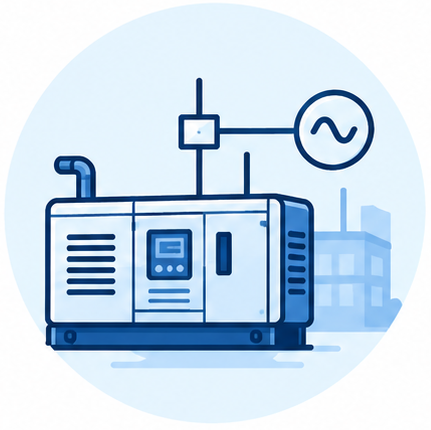
Projects involving generation, islanding considerations, microgrids, or other non-utility sources.

EV infrastructure and other significant new electrical loads affecting utility service requirements.
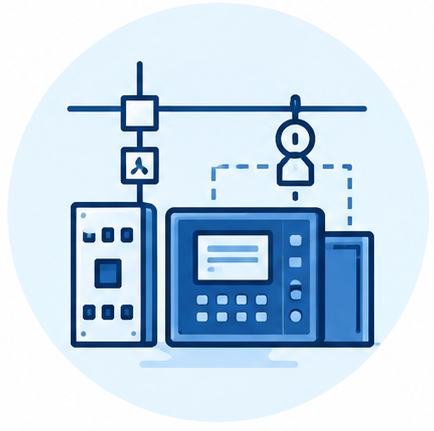
Projects requiring utility-driven changes to protection, controls, metering, or interconnection equipment.

Utility comment cycles, design revisions, equipment substitutions, or other changes affecting previously submitted interconnection information.
Useful inputs may include project one-lines, equipment data, load or generation characteristics, site information, utility correspondence, application requirements, and available system studies.
Application forms, checklists, utility standards, prior correspondence, and review comments.
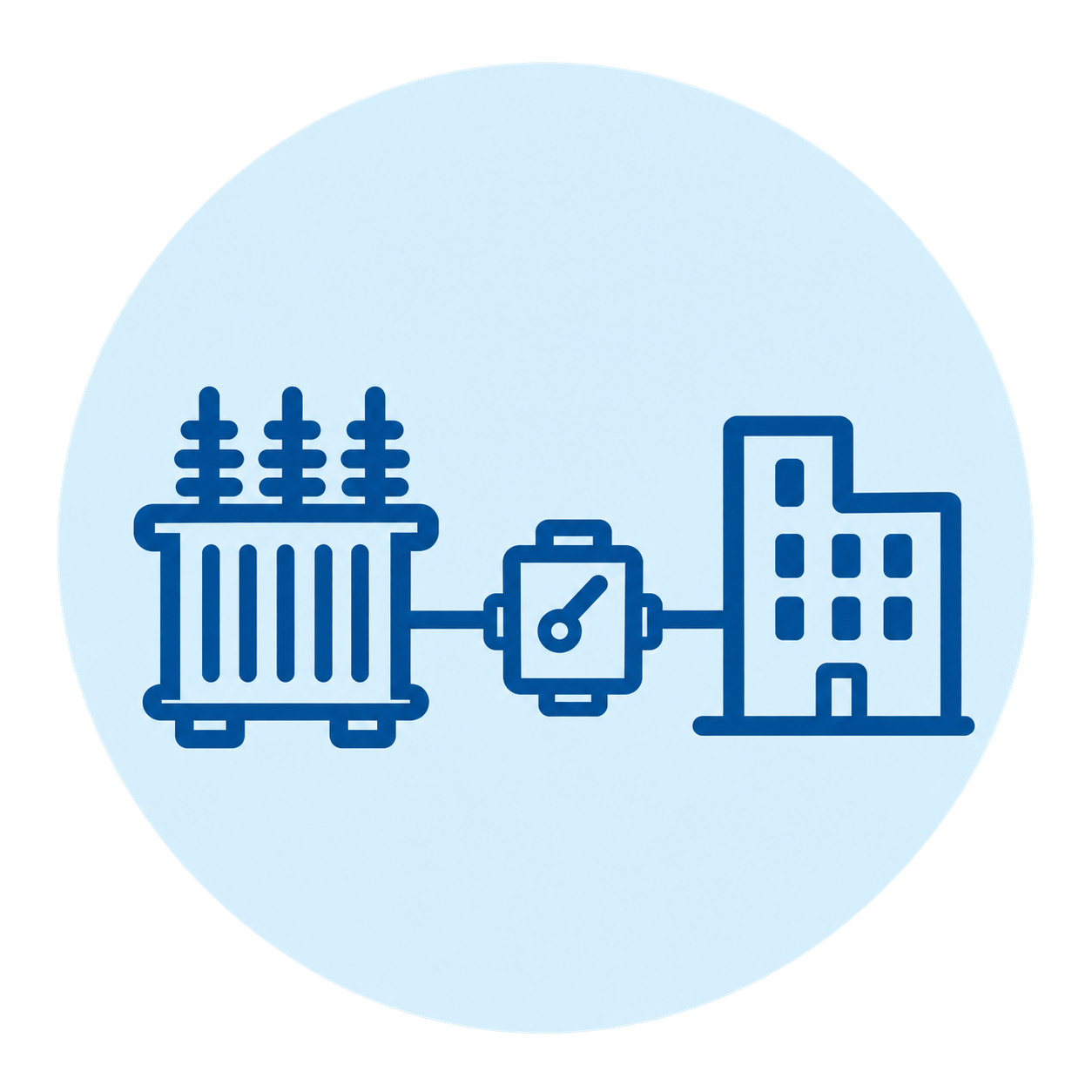
Point-of-interconnection information and available utility source or fault data.

Single-line diagrams, site plans, equipment schedules, and relevant design documents.
Transformers, inverters, BESS, generators, switchgear, service equipment, and other relevant equipment information.

Protective-device data, proposed settings, CT/PT information, control requirements, and metering information.
Import/export modes, generation characteristics, operating configurations, and applicable project scenarios.
Target submission, construction, commissioning, and energization milestones.

Available utility studies, prior engineering analyses, previous submittals, and unresolved review comments.
PhaseLink can help identify required technical inputs, data gaps, and next steps based on the project stage and available documentation.
Deliverables are tailored to the utility requirements and project stage and may include technical documentation, application data, engineering analyses, utility responses, and coordination records.
Interconnection one-line · Supporting electrical documents · Technical application data · Equipment information

Technical submittal information · Comment-response matrix · Engineering responses · Revised technical documentation

Applicant-side study reports · Protection and settings documentation · Study-specific technical outputs, where included

Submittal tracking · Open technical items · Action summaries · Coordination records, where included
Share the project information you have. PhaseLink can help identify technical requirements, resolve open items, and define the engineering support needed for the next stage.
Engineering perspectives on power-system studies, interconnection, protection, and system assessment.
Necessary |
Necessary |
| Necessary cookies are absolutely essential for the website to function properly. These cookies ensure basic functionalities and security features of the website, anonymously. | |
Advertisement |
|
| Advertisement cookies are used to provide visitors with relevant ads and marketing campaigns. These cookies track visitors across websites and collect information to provide customized ads. | |
Analytics |
|
| Analytical cookies are used to understand how visitors interact with the website. These cookies help provide information on metrics the number of visitors, bounce rate, traffic source, etc. | |
Functional |
|
| Functional cookies help to perform certain functionalities like sharing the content of the website on social media platforms, collect feedbacks, and other third-party features. | |
This website uses cookies to improve your experience while you navigate through the website. Out of these, the cookies that are categorized as necessary are stored on your browser as they are essential for the working of basic functionalities of the website. We also use third-party cookies that help us analyze and understand how you use this website. These cookies will be stored in your browser only with your consent. You also have the option to opt-out of these cookies.